Providing your pharmacy customers with a professional instore experience isn’t just window dressing – it’s about creating a brand image that can make or break your business. It’s how your community decides whether to trust you, buy from you, and whether or not to book services with you.
In 2026 and beyond, the most successful pharmacies will ensure that they present a smart store design which includes a credible retail health offer, and that they match this with efficient use of data and an up-to-date online presence.

1. Services are taking centre stage
The pharmacy model is shifting towards being service‑led, with financial returns increasingly coming from consultations, vaccinations, screening, and long‑term condition support. This evolution turns the shop floor into a practical on‑ramp to clinical services, as an increasing number of patients rely on your pharmacy for more than just dispensing.
2. Retail is pivoting to health
Gifts and beauty are past their use-by date as the mixed pharmacy retail format gives way to a tighter health focus. The growth areas are pharmacy-only and pharmacist-only medicines, pain relief, digestive care, coughs & colds, allergies, first aid, home healthcare, skin treatments and a carefully selected range of health supplements aligned to outcomes. Curating a core range and clearing dead stock unlocks cash flow to fund new services and training.
3. Smaller, smarter store design
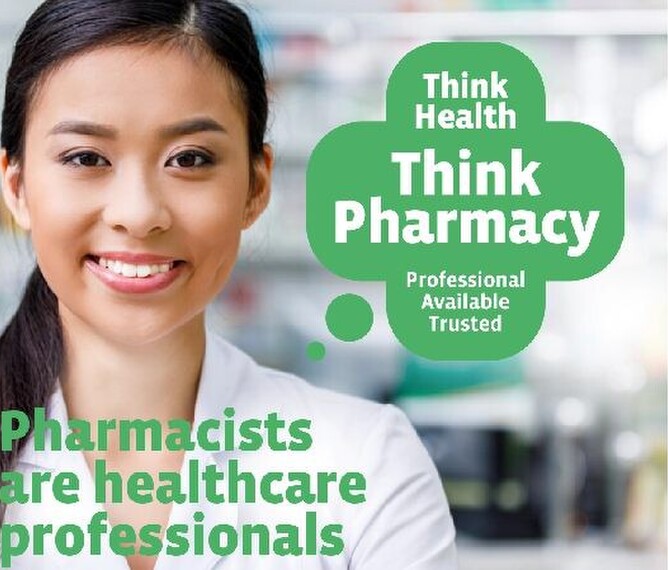
Leading pharmacies are slimming down the number of retail SKUs (Stock-Keeping-Units), adding visible health desks, and building more consult rooms to make advice and services unmistakable. Every metre of floor space must work harder and needs improved point-of-sale signage with condition‑based merchandising for customer wayfinding and prompts for when to speak with the pharmacist.
4. Digital is the second doorway
Websites with online booking, integrated social links and automated loyalty email campaigns drive demand to fill clinics and create stronger sales, without price wars. Simplifying the booking journey based on customer needs builds stronger relationships and outperforms mass media advertising for conversion and retention.
5. Automation frees clinical time
Dispensary automation, workflow redesign, and computer-generated ordering and incident handling shift qualified staff from repetitive tasks to consultations and medicines optimisation. The prize is capacity: more time for services, adherence support, and paid clinical activity.
6. Data as a growth engine
Data-driven retailing is a game-changer. Every business is flooded with data, but only the smartest are harnessing it for consistent and meaningful reporting that leads to actions. In retailing there are significant opportunities to eliminate out-of-stocks, optimise prices, increase category turns, and reduce dead stock – all leading to improved GMROI. Customer loyalty clubs that power segmented, condition‑led campaigns lift open rates, click‑throughs, and instore conversion.
7. Independent advantage
Locally owned pharmacies win on adaptability, culture, and community trust when they behave like health hubs, not mini‑department stores. By working together with fellow owners, independents can tap into a nationwide network of support that helps them to professionalise standards, control inventory and market more effectively while keeping a local brand.
The bottom line
The pharmacies growing in 2026 will look and act like community health hubs – professional retail up front, services in plain sight, a digital presence that deepens relationships, and operations tuned to free up clinical time.
That’s how local pharmacies stay essential, profitable, and trusted in the decade ahead.

